



Non-Destructive Ground-Penetrating Radar (GPR) Inspection Technology and Securing Medical and Vital Facilities.
Ground-Penetrating Radar (GPR) Survey for Cavity Detection at King Saud Medical City
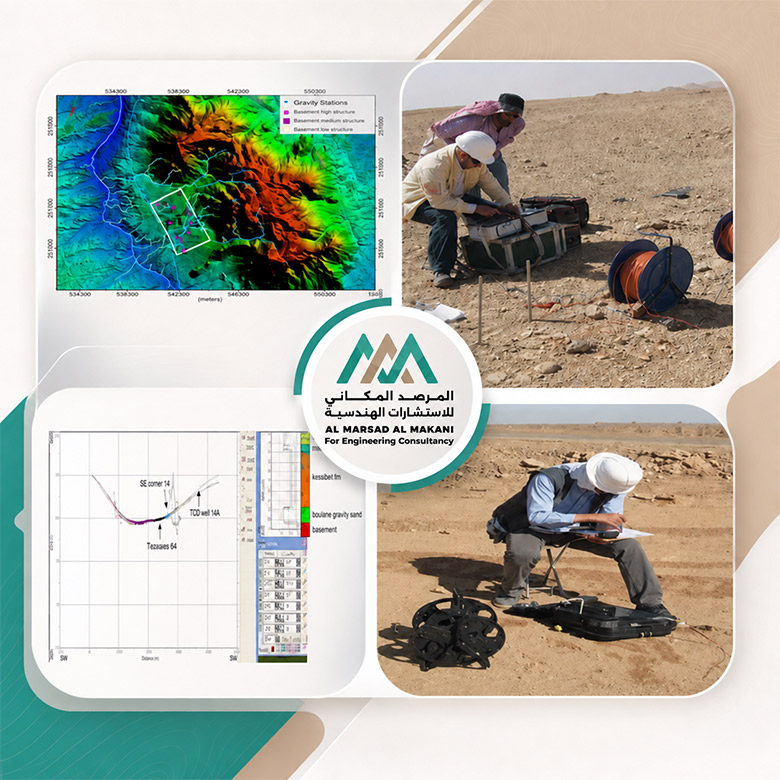
This project represents an advanced model for engineering geophysics applications and advanced radar inspection of soil at medical and vital facilities in the capital, Riyadh (King Saud Medical City). The scope of work included designing inspection paths and coordinating subsurface geophysical exploration, which directly helps enhance site readiness and improve execution feasibility and safe field operations for the entire medical complex.
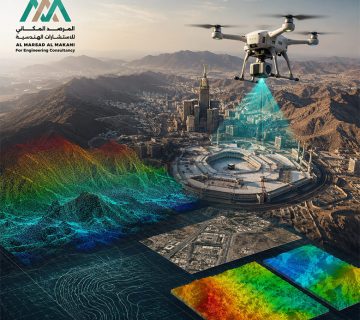
The project focused on studying and exploring subsurface soil layers from a comprehensive engineering perspective. This included deploying high-frequency Ground-Penetrating Radar (GPR) waves to penetrate the soil and identify potential caves, cavities, and subsurface voids that could pose a threat to the safety and stability of existing structural systems or future expansions. Additionally, it involved tracking and monitoring the paths of buried utility networks and services (water, sewage, power cables) without the need for traditional excavation, alongside civil, geophysical, and coordination works to ensure a more secure and sustainable medical facility in line with building codes and architectural aesthetics.
Non-Destructive Ground-Penetrating Radar (GPR) Inspection Technology and Securing Medical and Vital Facilities..
Scope of Work
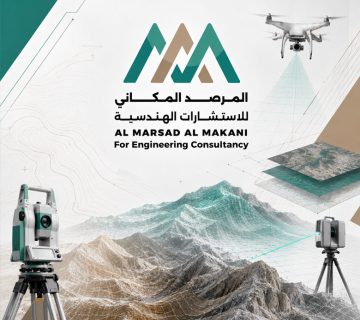
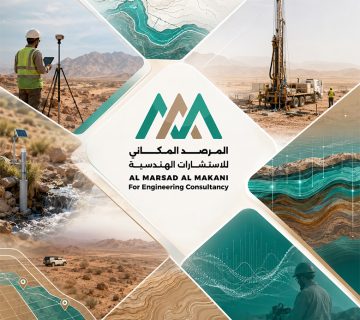
- Executing Comprehensive GPR SurveysScanning and inspecting the soil of the general site and areas surrounding the medical buildings using state-of-the-art ground-penetrating radar equipment to ensure they are free from any subsurface anomalies or defects.
- Subsurface Cavity and Void DetectionDetermining subsurface geophysical properties and rendering precise maps of cavity locations to protect structural foundations and secure them against sudden soil subsidence risks.
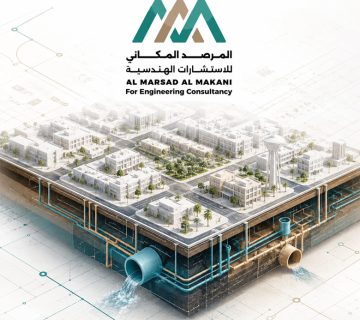
- Tracking and Mapping Utility and Service PathsLocating buried infrastructure networks with ultimate precision to prevent damaging them during development or maintenance operations within the medical city.
Al Marsad Al Makani provided engineering design, quality control, geophysical, and radar inspection services across multiple medical and vital projects in the city of Riyadh. This was achieved by coordinating and monitoring survey phases and aligning them with approved building code requirements and relevant stakeholders. The scope of work also included developing executable site solutions, cross-referencing extracted geophysical data with architectural and structural blueprints, and supporting technical and field execution to guarantee seamless integration between civil, architectural, electrical, and mechanical (MEP) aspects within the project scope..
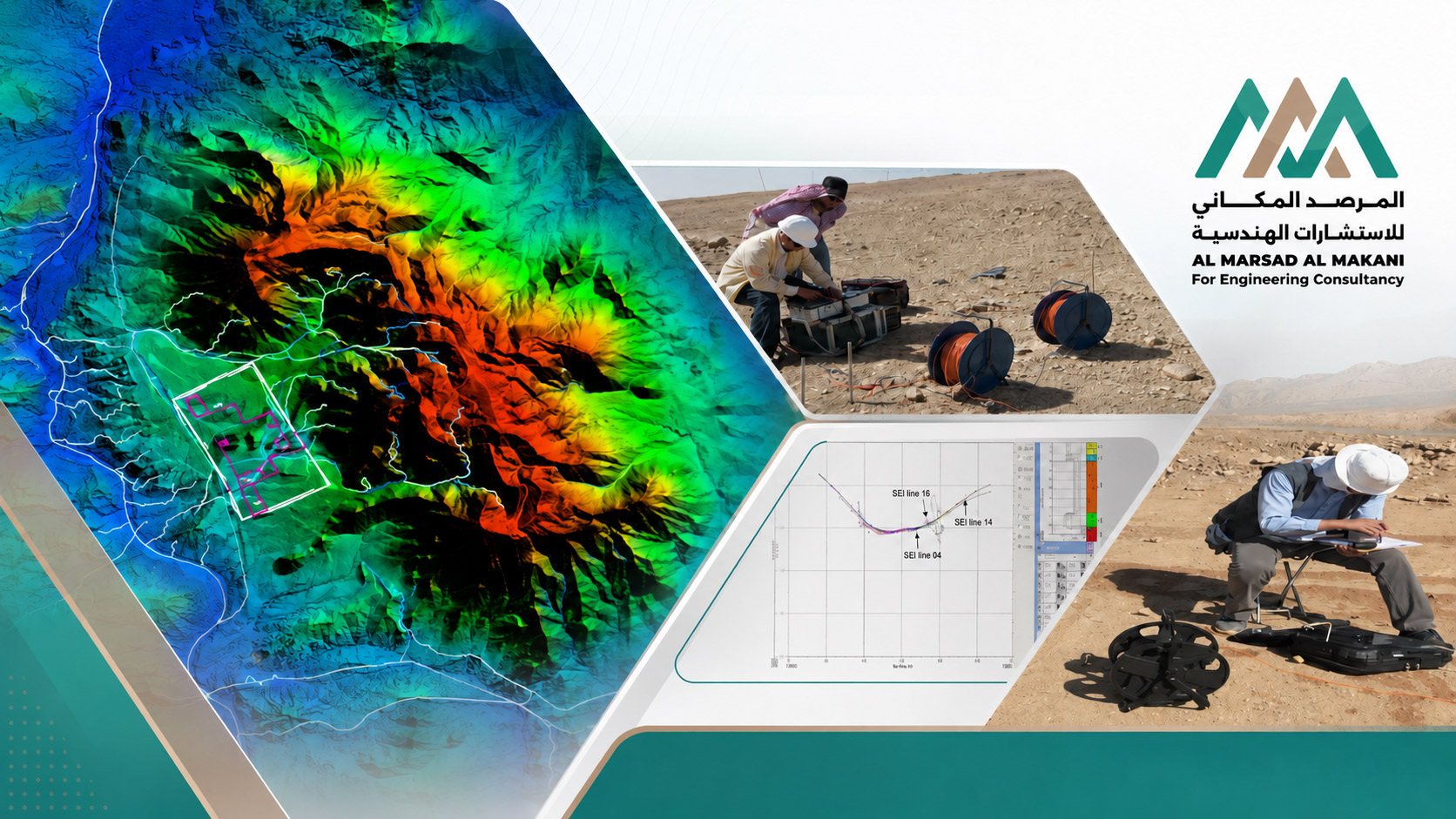
Services Provided in the Project
- Ground-Penetrating Radar (GPR) Subsurface SurveyUtilizing high-precision radar waves to penetrate depths and generate cross-sections of shallow and deep soil layers in a completely safe, non-destructive manner.
- Cavity and Soil Void DetectionAnalyzing and processing reflected radar signals to determine subsurface voids, air pockets, and caverns that could threaten the structural safety of buildings.
- Mapping Infrastructure and Utility PathsRendering 3D digital maps for all service pipelines and buried cables underground to protect medical city assets during structural expansions.
- Geophysical Analysis and Issuance of Approved ReportsField data computer processing and delivering comprehensive engineering reports that include the necessary technical recommendations for soil stabilization to support safe foundation and construction decisions.